
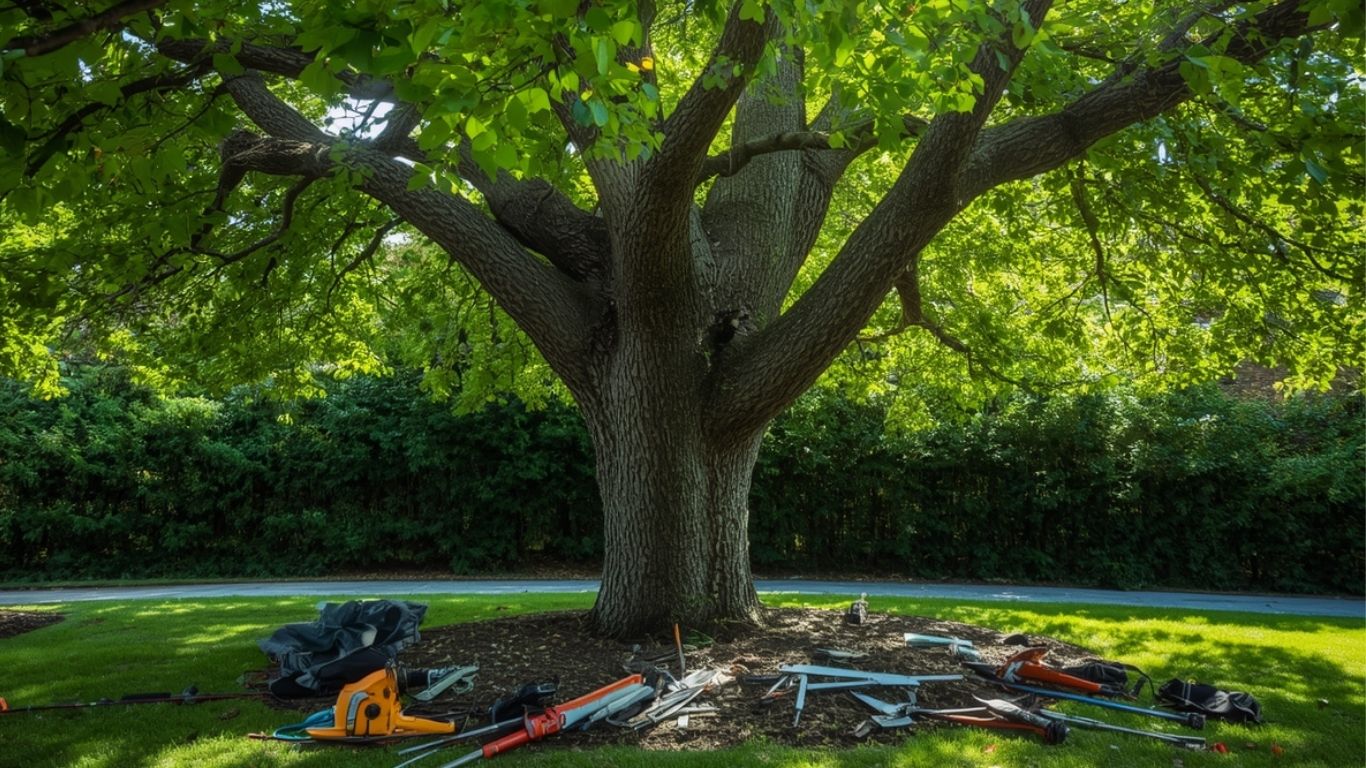
Low hanging tree branches can easily become part of the everyday landscape. A limb extending over the driveway or hanging near the lawn may not attract much attention when it appears healthy and stable. As branches continue growing, however, their position can create safety concerns for people, vehicles, structures, and other parts of the property.
These concerns deserve particular attention in Dade City, where trees experience periods of rapid growth along with strong rain, wind, and seasonal storms. A branch that causes little trouble during calm weather can behave very differently when it becomes wet, moves repeatedly in the wind, or develops structural weakness. Low limbs can also obstruct sidewalks, scrape roofs, interfere with routine yard maintenance, and reduce visibility around driveways.
Regular observation makes it easier to identify troublesome growth before it leads to damage. When branches have become difficult to manage or their condition is uncertain, professional evaluation can determine what should be removed and what should remain. Property owners throughout the area can turn to CM Tree Service when tree growth begins creating concerns around their homes, yards, or commercial properties.
Why Low Hanging Branches Become a Problem
Branches do not need to be dead to create hazards. A healthy limb can become problematic simply because of where it is growing. As a branch extends farther from the trunk, its weight and leverage increase. Leaves, smaller limbs, and rainwater add even more weight to the outer portion of the branch.
Location is equally important. A low limb above an unused corner of a large property may present relatively little immediate concern. The same type of branch positioned over a driveway, walkway, patio, fence, or roof deserves much closer attention.
Gradual growth can make these changes difficult to notice. People who see the same yard every day often become accustomed to branches moving closer to structures. By the time clearance becomes obviously inadequate, limbs may already be rubbing against roofing materials or obstructing normal use of the yard.
Low Branches Can Create Hazards for People
A residential yard should provide safe areas for walking, recreation, maintenance, and everyday activities. Low branches interfere with that usability when they extend into areas where people regularly move.
A limb at head or shoulder height can cause cuts, eye injuries, or falls. Smaller branches can be especially difficult to see in shaded areas or after dark. Children running through the yard and visitors who are unfamiliar with the property may face greater risk because they are less likely to anticipate the obstruction.
The danger increases when branches break. A weakened limb positioned above a patio, seating area, or walkway can fall into a space people regularly occupy. Maintaining appropriate clearance therefore contributes directly to making outdoor areas safer and easier to use.
Driveways and Parking Areas Need Adequate Branch Clearance
Trees growing near driveways frequently develop limbs over areas used by cars, trucks, trailers, and service vehicles. As those limbs grow lower, they can interfere with normal access and create opportunities for vehicle damage.
Small branches may scrape paint, mirrors, roofs, or windshields as vehicles pass underneath. Larger limbs present a more significant threat if they break and fall. Even a branch that appears secure can become considerably heavier after absorbing rain or supporting dense foliage.
Delivery vehicles, moving trucks, utility crews, and contractors may also need greater overhead clearance than passenger cars. Keeping these access areas clear makes the property easier to use while reducing unnecessary contact between vehicles and vegetation.
Roofs and Gutters Are Vulnerable to Overhanging Growth
Low hanging branches become especially concerning when they extend toward a house. Constant contact between branches and roofing materials can gradually cause damage even without a major limb failure.
Wind causes limbs to move back and forth across roof surfaces. Repeated friction can wear roofing materials and place pressure on gutters, fascia, screens, and other exterior features. Leaves and twigs from overhanging branches can also accumulate in gutters, restricting water movement during periods of heavy rainfall.
A branch does not have to rest directly on a roof to deserve attention. Growth that is approaching the structure should be monitored because seasonal development can quickly reduce clearance. Strategic trimming performed before contact occurs is generally easier to manage than dealing with damage after a limb reaches the structure.
Low Hanging Limbs Can Obstruct Visibility
Clear visibility matters around driveways, property entrances, sidewalks, and other areas where people and vehicles interact. Dense low growth can block sightlines and make it harder to identify approaching traffic, pedestrians, animals, or obstacles.
This concern can develop gradually as branches fill with foliage. A driveway entrance that remains clear during one season may become difficult to see through after a period of vigorous growth.
Selective trimming can open important sightlines without unnecessarily removing large portions of the canopy. The objective is to improve visibility while maintaining a natural tree form and preserving healthy branches wherever practical.
Storms Can Turn Low Branches Into Greater Hazards
Dade City weather adds another layer of concern to low hanging growth. Strong winds move branches repeatedly, while heavy rain increases their weight. Trees that already contain weak attachments, dead wood, or excessive canopy density may be more susceptible to branch failure when weather conditions deteriorate.
A low limb can also strike structures repeatedly during a storm. Even when it does not break, constant movement against a roof, window, fence, or exterior wall can cause damage.
Added Weight From Rain
Leaves and branches hold water during heavy rainfall. The additional weight places more stress on branch attachments, particularly where limbs are already long, weak, or poorly positioned.
Wind Movement and Branch Failure
Strong gusts can bend and twist limbs beyond their normal range of movement. Existing cracks or weak attachments may worsen under this pressure, increasing the possibility of breakage.
Reducing obvious hazards before severe weather arrives gives property owners greater control over tree maintenance. It is generally preferable to address questionable branches under planned conditions rather than dealing with fallen limbs after a storm.
Low Branches Can Interfere With Lawn and Landscape Maintenance
Tree growth affects more than structures and people. Low limbs can make routine lawn maintenance frustrating and sometimes unsafe. Mowing beneath a tree becomes difficult when branches force people to bend, maneuver equipment awkwardly, or repeatedly change direction.
Limited access can lead to neglected areas beneath the canopy. Grass may grow unevenly, weeds can become established, and fallen leaves or debris may accumulate because the area is difficult to reach.
Dense low growth can also affect nearby shrubs and lawn areas by reducing available sunlight and airflow. Selective branch management can create a more functional space beneath mature trees without removing healthy trees simply to make maintenance easier.
On larger properties, low limbs may combine with brush, volunteer growth, fallen material, and dense vegetation to make sections of land difficult to access. When the concern extends beyond individual branches and involves restoring an overgrown area, professional land clearing can help make the property more accessible and usable.
Not Every Low Branch Should Be Removed
Height alone does not determine whether a branch is hazardous. Some trees naturally develop lower branches that contribute to their form, health, and stability. Removing healthy limbs without a clear reason can create unnecessary stress and alter the tree’s structure.
The decision should consider branch condition, size, attachment, location, surrounding targets, and the way the property is used. A low branch growing toward an open landscape may be acceptable, while a similar branch over a walkway could require attention.
Excessive pruning can also create problems. Removing too much foliage at once reduces the tree’s ability to produce energy and may encourage undesirable growth. Proper maintenance therefore focuses on specific objectives rather than simply raising every canopy as high as possible.
Warning Signs That Low Branches Need Attention
Certain conditions make a low branch more concerning than its height alone. Visible cracks where the branch meets the trunk, dead sections, hanging limbs, cavities, decay, and unusual bending can indicate structural problems.
Changes after severe weather deserve attention as well. A limb that suddenly hangs lower than before may have partially failed or developed damage at its attachment point. Freshly exposed wood, torn bark, or a noticeable change in branch angle should not be ignored.
Clearance problems provide another obvious signal. Branches touching a roof, blocking a walkway, scraping vehicles, interfering with fences, or limiting driveway visibility have already begun affecting normal property use.
Recognizing these conditions early gives property owners more options. Planned maintenance can often address individual concerns before they develop into larger safety or property damage issues.
Why Professional Assessment Matters
Evaluating a low hanging branch requires more than deciding whether it looks inconvenient. The branch is part of a larger living structure, and removing it incorrectly can affect canopy balance, wound response, and future growth.
Professionals consider the branch diameter, attachment point, tree condition, surrounding structures, and overall canopy before making cuts. They can also determine whether a problem involves one limb or indicates a broader structural concern.
Large branches present additional challenges because their weight must be controlled during removal. Cutting a substantial limb without an appropriate plan can cause it to swing, split, or fall onto landscaping and nearby structures.
Experience with these conditions is one reason property owners may want to learn why homeowners work with CM Tree Service when deciding who should handle trees growing close to important areas of a property.
Proper Branch Management Supports Long Term Tree Health
Corrective trimming should solve the immediate clearance concern while supporting the tree’s future development. Removing the right branches can improve spacing, reduce conflicts, and direct future growth away from structures or heavily used spaces.
Good branch management also considers how the tree will respond after pruning. Cuts made in appropriate locations allow the tree to compartmentalize wounds more effectively than random cuts or branch stubs. Preserving sufficient healthy foliage helps the tree continue producing the energy required for growth and recovery.
Younger trees may benefit from early structural correction because smaller branches are easier to manage before they become large limbs. Mature trees require a more conservative approach because large cuts can have greater consequences for tree health and stability.
The objective is not simply a cleaner appearance. Effective trimming should produce a safer relationship between the tree and the property while respecting the tree’s natural structure.
Routine Inspections Can Prevent Clearance Problems
Many low branch hazards are easier to address when discovered early. A quick visual inspection several times throughout the year can reveal changing branch positions, dead wood, storm damage, or growth moving toward structures.
Observations are especially useful after periods of strong wind or heavy rain. Property owners can look for branches that have shifted, cracked, or begun hanging lower than they did previously.
Seasonal growth should also be considered. Trees can add significant foliage and branch length during favorable growing conditions, causing clearance to change faster than expected.
Learning what to watch for makes preventative maintenance easier. Additional information about tree safety, property care, and common landscape concerns is available through more guides and insights for Dade City property owners who want to stay ahead of developing problems.
How Low Branches Affect the Overall Appearance of a Yard
Safety is the primary concern, but low hanging branches can also influence how organized and inviting a property appears. Trees with unmanaged growth may obscure the house, cover landscape features, or make outdoor areas feel crowded.
Thoughtful trimming can create visual separation between the canopy and the spaces beneath it. This may improve views of the home, make walkways easier to navigate, and allow other landscape elements to remain visible.
The goal should not be to remove every low branch simply for appearance. A balanced approach considers safety, tree health, function, and aesthetics together. Maintaining that balance allows mature trees to remain an attractive part of the landscape without interfering with everyday use.
When to Have Low Hanging Branches Evaluated
There is no single schedule that applies to every tree. Species, age, growth rate, previous pruning, storm exposure, and location all influence how frequently attention may be necessary.
Branches should be evaluated when they begin contacting structures, obstructing frequently used areas, showing signs of damage, or changing position unexpectedly. Trees near homes, driveways, patios, and other high use spaces generally deserve closer observation because the consequences of branch failure are greater.
Waiting until a limb breaks removes the opportunity to manage the situation under controlled conditions. Preventative evaluation allows concerns to be identified and addressed according to their urgency.
If low branches are beginning to interfere with the safe use of a Dade City property, the next practical step is to request a free estimate and determine which areas require professional attention.
Conclusion
Low hanging branches are easy to overlook because they often develop gradually. Over time, however, their position can create hazards around walkways, driveways, roofs, vehicles, fences, and recreational areas. Strong winds and heavy rainfall can increase these risks by placing additional pressure on branches and their attachment points.
The safest approach is to monitor tree growth and address developing clearance problems before they lead to property damage or injury. Not every low branch requires removal, which makes careful evaluation important. Healthy branches should be preserved when they do not interfere with safety or property use, while problematic growth should be managed with the tree’s overall structure in mind.
For Dade City properties, regular observation and appropriate professional care can keep mature trees compatible with the spaces around them. Addressing low branches at the right time protects valuable property features while helping trees maintain healthy, balanced growth for years to come.
FAQs
Why do tree branches start hanging lower over time
Branches become longer and heavier as trees mature. New foliage, additional branch growth, rainwater, and changes in branch structure can cause limbs to extend lower than they did previously. Damage can also cause a branch to suddenly change position.
Are low hanging branches always dangerous
No. Some trees naturally have healthy lower branches that do not interfere with people or property. Concern increases when branches block access, contact structures, contain defects, or hang over frequently used areas.
Can low branches damage a roof without falling
Yes. Branches that rub against roofing materials during windy conditions can gradually damage shingles, gutters, fascia, and other exterior components even if the limb never breaks.
Should branches hanging over a driveway be trimmed
Branches that interfere with vehicle clearance, restrict visibility, or show structural problems should be evaluated. The appropriate response depends on the branch size, condition, location, and overall health of the tree.
Why are low branches more concerning during storms
Rain adds weight to foliage and branches, while strong winds cause limbs to bend and twist. Existing weaknesses may worsen under these conditions, increasing the possibility of branch failure or contact with nearby structures.
Can trimming low branches improve yard maintenance
Yes. Appropriate clearance can make mowing, walking, and routine landscape maintenance easier. Trimming should still preserve enough healthy canopy to support the tree’s long term condition.
When should low hanging branches receive professional attention
Professional evaluation is appropriate when branches are large, damaged, positioned above structures, interfering with access, or difficult to reach safely. Sudden changes in branch position after a storm also deserve prompt attention.