
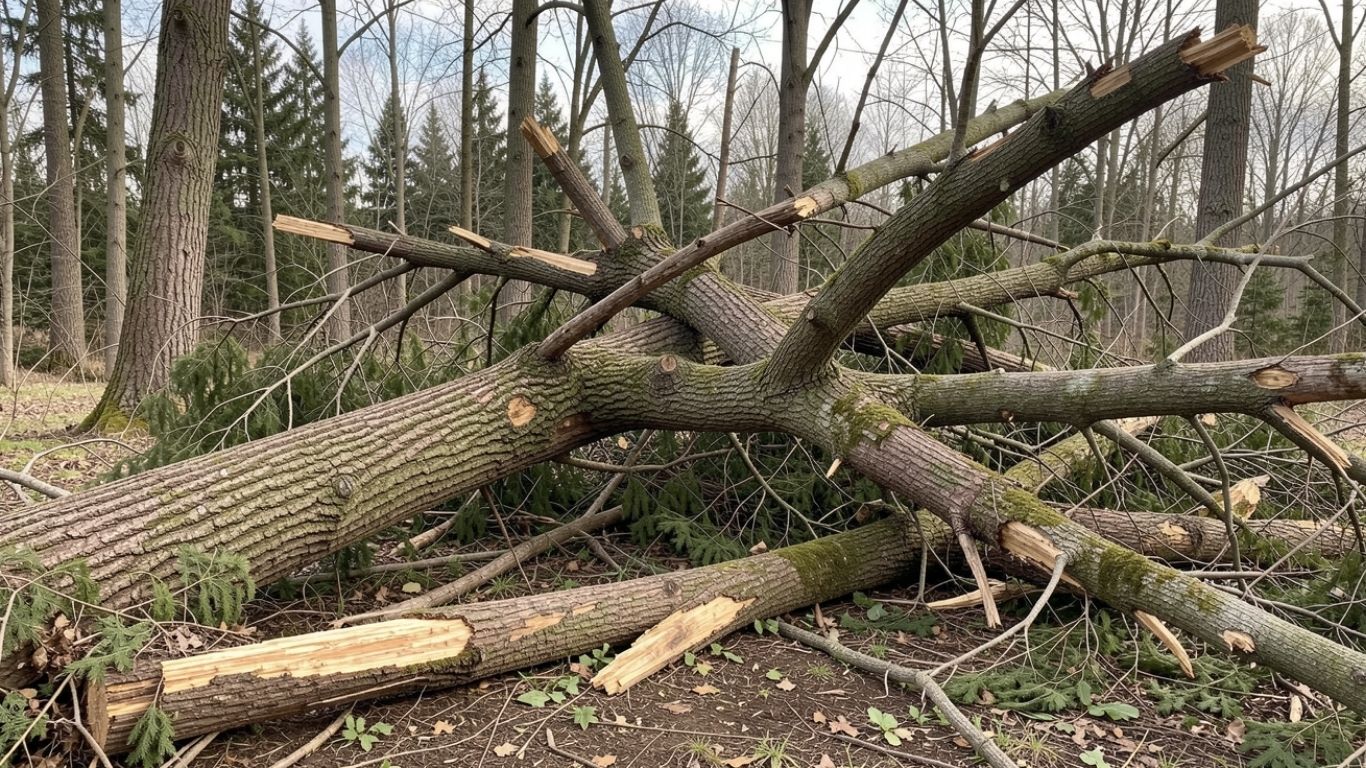
Trees play an important role in shaping the appearance and comfort of properties throughout Dade City. They provide shade, improve air quality, and add natural character to residential landscapes. However, as trees age, their structural reliability often declines. What once served as a benefit can gradually become a liability if warning signs go unnoticed. Aging trees may appear stable on the outside while developing serious internal weaknesses that increase the risk of sudden failure. Because Florida weather accelerates this process, homeowners frequently turn to experienced providers such as CM Tree Service to assess tree safety and prevent costly damage before it occurs.
How Tree Aging Affects Structural Integrity
Tree aging is a natural process that affects every part of the tree, from the canopy down to the roots. Over time, growth slows, wood fibers weaken, and the tree becomes less capable of supporting its own weight. These changes often occur gradually, making them easy to overlook until a major failure happens. Structural decline is especially dangerous because it may not be visible during casual inspection. Understanding how aging impacts tree strength is essential for identifying risks early and maintaining a safe property.
Internal Decay Weakens Tree Stability
Older trees often develop hollow sections or internal rot that compromise their strength. Fungi and decay organisms break down the inner wood, leaving the outer structure unsupported. This makes the tree more vulnerable to splitting or collapsing under stress.
Heavy Canopies Increase Failure Risk
As trees grow taller and wider, their canopies become heavier. Aging branches may no longer support the added weight, especially during high winds or heavy rain. Large limbs can break without warning, posing a serious risk to people and nearby structures.
Root System Decline Over Time
Roots anchor the tree and provide essential nutrients. As trees age, root systems weaken due to soil compaction, disease, or reduced nutrient absorption. A compromised root system increases the likelihood of leaning or uprooting during storms.
Why Dade City Climate Accelerates Tree Aging
Environmental conditions play a significant role in how quickly trees decline. In Dade City, frequent storms, fluctuating moisture levels, and extended heat place constant stress on mature trees. These conditions speed up aging and make older trees more vulnerable to damage. Even trees that have survived for decades may reach a tipping point where environmental pressure overwhelms their natural defenses. Recognizing how local climate contributes to tree aging helps homeowners take preventative action.
Frequent Storms and Wind Exposure
Seasonal storms expose trees to repeated wind pressure. Older trees lose flexibility over time, making them less capable of bending without breaking. This repeated stress speeds up structural decline.
Soil Conditions Affect Long Term Health
Sandy soil and inconsistent moisture levels reduce nutrient retention. Aging trees struggle to adapt to these conditions, leading to root stress and instability. Over time, weakened roots increase the chance of failure.
Heat and Moisture Stress
Extended periods of heat followed by heavy rain create expansion and contraction within the tree. These cycles cause cracks and internal damage that weaken older trees from the inside out.
Common Warning Signs of Unsafe Aging Trees
One of the biggest challenges with aging trees is that many warning signs are subtle at first. Homeowners may notice small changes but dismiss them as normal aging. In reality, these signs often indicate deeper structural problems that require attention. Early detection reduces the risk of sudden failure and allows property owners to make informed decisions before damage occurs.
Cracks and Splits in the Trunk
Visible cracks indicate internal stress or decay. Even small fractures can expand quickly and lead to sudden failure, especially during storms.
Dead or Falling Branches
Frequent limb drop is a strong indicator that a tree is no longer structurally sound. Aging branches lose flexibility and strength, increasing the risk of unexpected breakage.
Leaning or Shifting Position
A tree that begins to lean or shift is often experiencing root failure. Changes in position signal instability and should be evaluated promptly.
Safety Risks Aging Trees Pose to Homes and People
When an aging tree fails, the consequences can be severe. The size and weight of mature trees mean that falling limbs or entire trunks can cause significant damage in a matter of seconds. These risks affect not only the homeowner but also neighbors, pedestrians, and nearby infrastructure. Addressing aging tree hazards is an important part of protecting both personal safety and property investment.
Damage to Homes and Structures
Falling branches or entire trees can damage roofs, fences, vehicles, and outdoor structures. Repair costs often exceed the cost of preventive care.
Risk of Personal Injury
Unstable trees pose a serious risk to anyone nearby. Branch failure can occur without warning, putting residents, visitors, and pedestrians in danger.
Electrical and Utility Hazards
Aging trees growing near power lines increase the risk of outages and electrical hazards. Broken limbs can cause service interruptions and create dangerous conditions.
How Professional Evaluation Prevents Tree Related Accidents
Proper evaluation is essential when dealing with aging trees. Professional assessments go beyond surface observations and focus on overall tree stability, health, and surrounding risk factors. By identifying problems early, professionals help homeowners avoid emergencies and make proactive decisions that protect their property.
Identifying Trees That Need Removal
Not all aging trees require removal, but those with advanced decay or instability may need professional tree removal to eliminate safety risks. Proper evaluation ensures the right decision is made.
Preventing Emergency Situations
Proactive care reduces the chance of emergency tree failure. Addressing issues early protects property and avoids unexpected damage.
Preserving Healthy Trees on the Property
Professional assessments help preserve trees that can still thrive. Removing only unsafe trees maintains balance and safety across the landscape.
Why Local Experience Matters for Aging Trees
Tree care decisions are most effective when informed by local conditions. Dade City trees face unique challenges related to climate, soil, and growth patterns. Working with professionals who understand these factors ensures accurate evaluations and effective solutions.
Understanding Local Tree Species
Different species age differently. Local professionals understand which trees are more prone to decay and which require closer monitoring.
Experience With Regional Weather Patterns
Knowledge of storm cycles and soil behavior allows for better risk assessment. Locals often review why homeowners work with CM Tree Service when choosing a provider with proven local expertise.
Access to Ongoing Education and Resources
Staying informed helps homeowners make better decisions. Many explore more guides and insights to learn how to manage tree safety year round.
When to Take Action on Aging Tree Risks
Delaying action increases the likelihood of damage, injury, or costly emergency removal. Aging trees rarely improve on their own, and warning signs often worsen over time. Taking early steps ensures safer conditions and greater peace of mind.
Scheduling Professional Inspections
Routine inspections identify risks before they escalate. Trees showing warning signs should be evaluated promptly.
Planning for Long Term Property Safety
Removing unsafe trees creates a safer environment and protects long term property value. Planning ahead avoids emergency situations.
Getting Professional Support
When homeowners decide it is time to address aging tree concerns, many begin by requesting a free estimate to understand the next steps.
Conclusion
Aging trees present hidden dangers that should not be ignored. Internal decay, weakened roots, and environmental stress gradually reduce tree stability, increasing the risk of failure. In Dade City, proactive evaluation and professional care are essential for maintaining safety. Addressing aging tree risks early protects homes, people, and property while preserving the overall health of the landscape.
FAQs
Why do older trees become dangerous
As trees age, internal decay and structural weakness increase, making them more likely to fail.
How can I tell if a tree is unsafe
Cracks, dead branches, leaning, and frequent limb drop are common warning signs.
Do all aging trees need to be removed
No. Only trees with significant decay or instability require removal after professional evaluation.
How often should trees be inspected in Dade City
Older trees should be inspected regularly, especially before storm seasons.
Is professional evaluation worth it
Yes. Early assessment helps prevent accidents and reduces long term costs.