
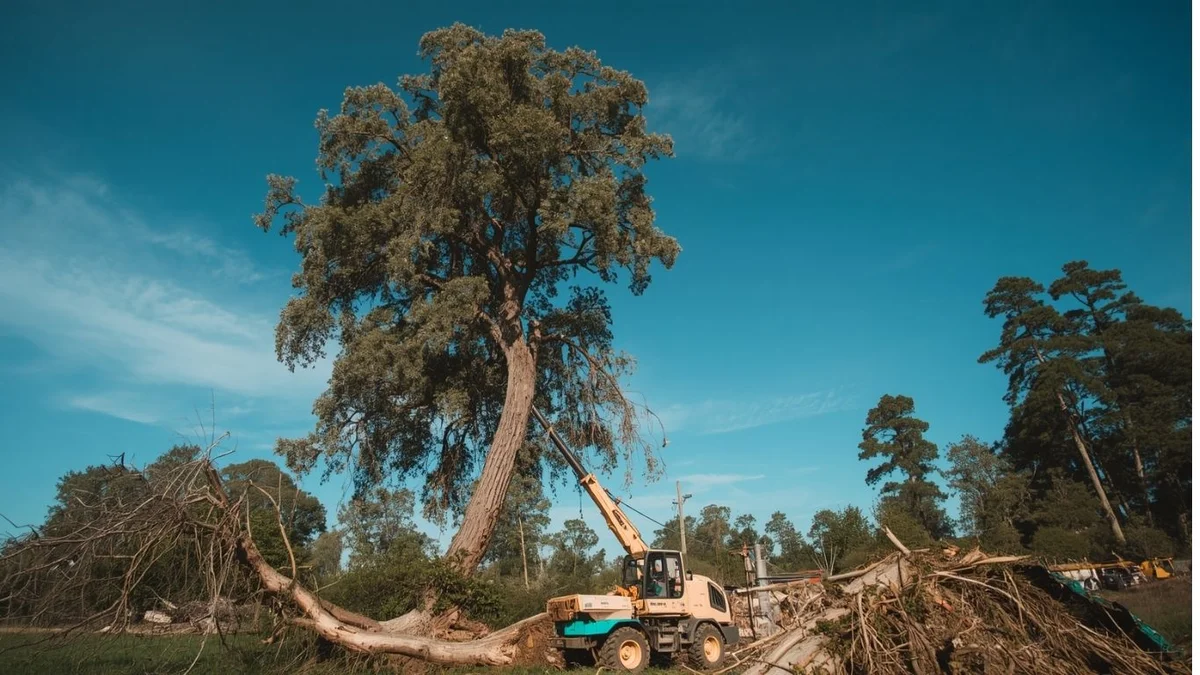
Tree removal is often one of the most important decisions a property owner can make when it comes to maintaining a safe and functional landscape. While trees add beauty, shade, and environmental value, there are situations where removal becomes necessary to protect people, structures, and surrounding property. Whether a tree has become unstable, diseased, storm damaged, or simply outgrown its location, professional removal helps eliminate risks while minimizing disruption to the property.
Many people are unfamiliar with what the tree removal process actually involves. Professional removal is far more than cutting down a tree. It requires careful planning, safety protocols, specialized equipment, and a thorough understanding of how trees respond to different removal techniques. Property owners throughout Dade City often work with experienced providers such as CM Tree Service to ensure the process is completed safely and efficiently.
Understanding what to expect before work begins helps homeowners feel more confident about the process and ensures they can prepare their property appropriately.
Why Trees Need to Be Removed
Tree removal is usually recommended when a tree presents a safety concern, interferes with structures, or experiences significant health decline. While many trees can be preserved through maintenance and corrective care, some situations require complete removal to prevent future problems.
Recognizing the reasons behind tree removal helps property owners understand why action may be necessary before damage occurs.
Structural Instability
Trees that develop major structural defects often become hazardous. Cracks, splitting trunks, excessive leaning, and root failure can all compromise stability and increase the risk of collapse.
Disease and Decay
Internal decay frequently weakens trees from the inside out. In many cases, significant deterioration may not be visible until the tree becomes dangerous.
Property Development Needs
Construction projects, new landscaping plans, and property improvements sometimes require tree removal to create usable space or accommodate future development.
The Initial Tree Assessment Process
Every professional tree removal project begins with a detailed assessment. This stage allows professionals to determine the safest and most effective approach for removing the tree while protecting nearby structures and landscaping.
An evaluation considers the condition of the tree, its location, surrounding obstacles, and any factors that may affect removal.
During this process, professionals identify potential hazards such as nearby power lines, structures, fencing, and landscape features. The information gathered helps create a removal strategy tailored to the specific property.
In many situations, visible decline may already indicate signs a tree needs to be removed before more serious problems develop. Understanding these warning signs allows property owners to take action before an emergency occurs.
Planning and Safety Preparations
Proper planning is one of the most important aspects of professional tree removal. Large trees can weigh several tons, and even smaller trees require controlled removal techniques to prevent accidental damage.
Before work begins, the crew evaluates access points, determines equipment requirements, and establishes safety zones around the work area. This preparation ensures that every step of the process is performed with safety in mind.
Protecting people, vehicles, and nearby structures remains a top priority throughout the project. The goal is not simply to remove the tree but to do so without causing unnecessary disruption or damage to the surrounding property.
Establishing Safe Work Zones
The work area is secured to prevent unauthorized access and reduce the risk of accidents.
Identifying Potential Hazards
Professionals evaluate overhead utilities, nearby structures, and landscape features before removal begins.
Selecting Proper Equipment
The equipment used depends on the size, condition, and location of the tree.
How Professional Tree Removal Is Performed
The removal process varies depending on the characteristics of the tree and the surrounding environment. Some trees can be removed in sections, while others may require specialized rigging systems to control branch movement.
In residential areas, controlled removal is often necessary because trees are located near homes, driveways, fences, and utility lines. Professionals use carefully planned methods to manage each portion of the tree safely.
For many properties, professional tree removal provides a safer and more efficient solution than attempting to address hazardous trees without specialized equipment or training.
Sectional Removal Techniques
Large trees are often dismantled piece by piece to maintain control throughout the process.
Controlled Branch Lowering
Ropes and rigging systems help guide branches safely to the ground.
Final Trunk Removal
Once the canopy is removed, the remaining trunk is cut into manageable sections for removal.
Protecting Property During Tree Removal
One of the primary benefits of hiring professionals is their ability to protect the surrounding property throughout the removal process. Experienced crews take steps to minimize impact on lawns, gardens, hardscapes, and structures.
Protective measures help ensure that the focus remains on removing the tree rather than creating additional repair needs elsewhere on the property.
Ground protection systems may be used to reduce equipment impact on the lawn. Branches are lowered in a controlled manner rather than dropped freely, helping preserve nearby landscaping and structures.
Careful planning also reduces the likelihood of accidental contact with roofs, fences, and utility equipment.
What Happens After the Tree Is Removed
The work does not end when the tree reaches the ground. Cleanup is an important part of professional service and plays a major role in restoring the appearance and usability of the property.
Debris is typically removed from the site, leaving the area cleaner and safer than before the project began. Depending on the property owner’s goals, additional services may also be available.
Branch and Debris Removal
Limbs, brush, and wood debris are collected and removed from the property.
Site Cleanup
The work area is inspected to ensure it is safe and presentable.
Future Landscape Planning
Removing a tree often creates opportunities for new landscaping or property improvements.
Why Experience Matters in Tree Removal
Tree removal involves complex decision making and specialized techniques that require experience to execute properly. Different tree species respond differently to removal, and environmental factors can affect the safety of the process.
Working with an experienced provider helps ensure that potential complications are identified before they become problems. Proper planning reduces risk and improves efficiency throughout the project.
Many property owners researching local service providers explore why homeowners work with CM Tree Service to better understand the value of local expertise and professional experience.
Knowledge of Local Tree Species
Understanding local growth patterns helps professionals anticipate challenges during removal.
Familiarity With Regional Conditions
Weather, soil conditions, and property layouts all influence removal strategies.
Consistent Safety Standards
Experienced crews follow proven procedures that help protect people and property.
Common Misconceptions About Tree Removal
Several misconceptions prevent property owners from addressing hazardous trees in a timely manner. One common belief is that a tree must be completely dead before removal is necessary. In reality, many hazardous trees still produce leaves and appear healthy despite serious structural problems.
Another misconception is that removal always damages the surrounding landscape. Professional techniques are specifically designed to minimize impact and preserve nearby property features.
Some people also assume that removing a tree is only necessary after visible damage occurs. In many situations, preventative removal is the safest and most cost effective option.
The Long Term Benefits of Professional Tree Removal
Removing a hazardous tree provides benefits that extend well beyond immediate safety concerns. Property owners often notice improvements in usability, visibility, and overall landscape management after removal is completed.
A safer environment reduces liability risks and helps protect investments in structures and landscaping. Removing problematic trees may also improve sunlight exposure and create opportunities for new outdoor projects.
For property owners interested in learning more about tree care and landscape management, additional educational resources are available through more guides and insights covering a variety of tree related topics.
When to Schedule Professional Tree Removal
Waiting too long to address a hazardous tree often increases the risk of property damage and emergency situations. Trees showing signs of decline, instability, or storm damage should be evaluated promptly.
Regular inspections help identify issues before they become urgent. Proactive removal allows the project to be completed under controlled conditions rather than during an emergency.
When it becomes time to discuss options for a tree on the property, many individuals choose to request a free estimate to better understand the condition of the tree and the recommended course of action.
Conclusion
Professional tree removal is a carefully planned process designed to protect people, property, and surrounding landscapes. From the initial assessment through final cleanup, every step focuses on safety, efficiency, and minimizing disruption.
Understanding what to expect helps property owners make informed decisions and prepare for the project with confidence. Whether a tree is damaged, diseased, unstable, or interfering with future plans, professional removal provides a safe solution that protects the long term value and usability of the property.
Choosing experienced professionals ensures that the work is completed correctly while reducing the risks commonly associated with hazardous trees.
FAQs
How long does professional tree removal take
The timeline depends on the size, condition, and location of the tree. Some removals can be completed in a few hours, while larger projects may take longer.
Is tree removal dangerous
Tree removal can be hazardous without proper training and equipment. Professional crews follow strict safety procedures to manage risks effectively.
Will tree removal damage my lawn
Professionals use controlled techniques and protective measures to minimize impact on lawns and landscaping.
What happens to the wood after removal
Wood can often be removed from the property, processed into mulch, or handled according to the property owner’s preferences.
How do I know if a tree should be removed
Signs such as severe leaning, major decay, structural damage, and repeated branch failure often indicate that professional evaluation is needed.