
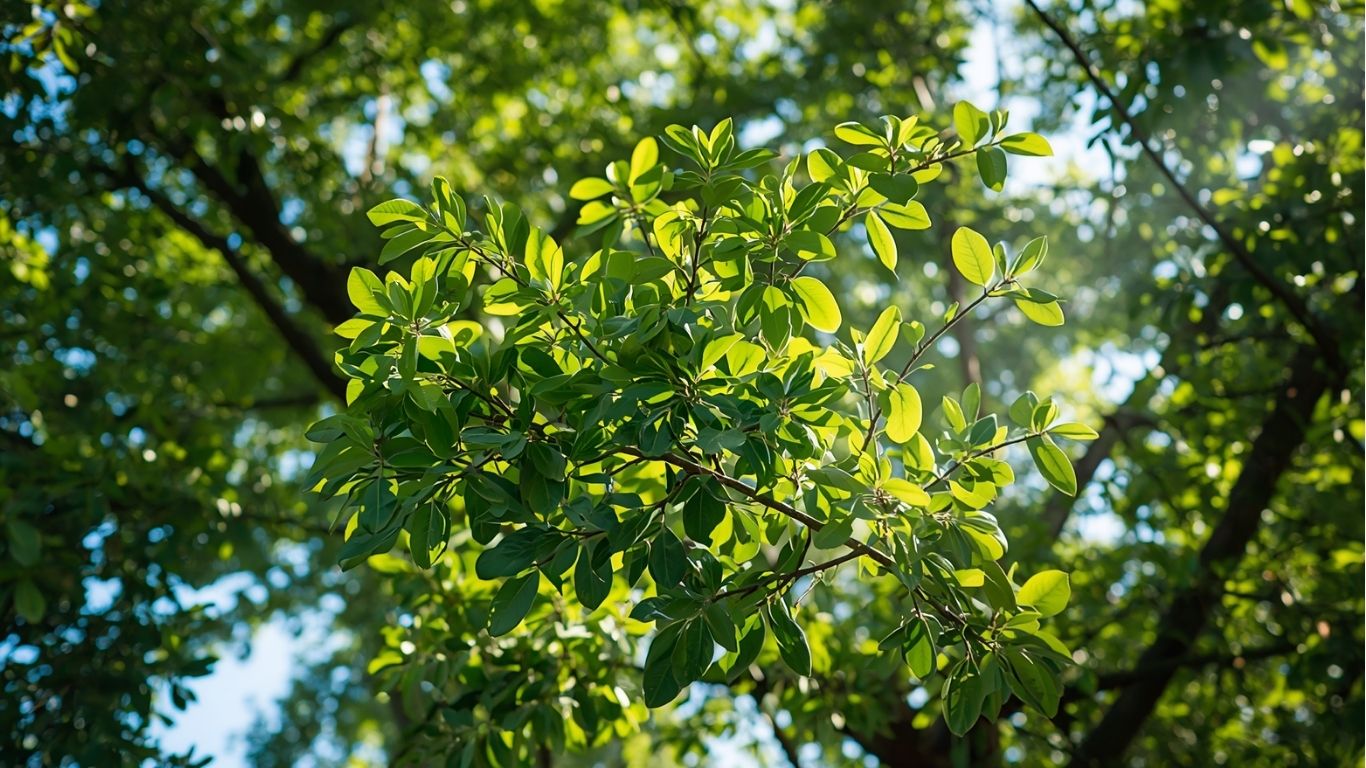
Trees provide shade, privacy, and natural beauty for residential properties throughout Dade City. While healthy trees improve the appearance and comfort of outdoor spaces, neglected growth can quickly become a serious concern. Branches that extend too far, weakened limbs, and overgrown canopies often create hazards that threaten homes, vehicles, fences, and nearby structures. Property damage caused by falling limbs or unstable growth is far more common than many homeowners realize.
Tree growth is continuous, and without regular maintenance, even healthy trees can develop structural issues that place unnecessary stress on the property around them. Florida weather conditions make the problem even more significant because strong winds and heavy rain increase pressure on trees throughout the year. Property owners who want to reduce long term risks often rely on experienced professionals such as CM Tree Service to maintain safe and balanced tree growth before problems develop.
Why Tree Growth Becomes a Risk to Residential Properties
Trees naturally expand outward and upward as they mature. Over time, branches grow closer to roofs, utility lines, windows, fences, and driveways. Without proper maintenance, this growth creates physical pressure and increases the likelihood of structural damage.
The risk is not limited to severe storms. Even calm weather conditions can lead to problems when heavy limbs become unstable or weakened by disease. As trees continue growing unchecked, the weight distribution within the canopy becomes uneven, placing stress on both the tree and nearby structures.
Excessive growth also reduces visibility around the property and creates opportunities for branches to scrape against siding, shingles, or gutters. These smaller issues may appear harmless at first but often develop into expensive repairs if left unresolved.
How Overgrown Branches Damage Homes and Structures
One of the most common causes of tree related property damage is direct branch contact with structures. Limbs that extend too close to a home create ongoing friction and pressure that gradually weakens exterior materials.
During windy conditions, branches repeatedly scrape against roofs and siding. This movement damages shingles, paint, gutters, and window frames over time. Moisture can then enter these vulnerable areas and contribute to rot or mold growth.
Heavy branches also create a significant impact risk. A single limb failure can damage fences, patios, vehicles, or outdoor equipment in seconds. In severe cases, large branches may penetrate roofing systems or collapse onto structures.
Professional maintenance reduces these risks by removing unstable growth before it causes damage. Many property owners prevent these issues through routine tree trimming that keeps branches safely away from surrounding structures.
The Connection Between Storm Damage and Poor Tree Maintenance
Storms place tremendous stress on trees, especially those that have not been properly maintained. Dense canopies catch wind more aggressively, causing limbs to twist and strain under pressure. Weak branches are far more likely to fail during storms because they cannot withstand sudden movement or added weight from rain.
Trees with overcrowded growth patterns are particularly vulnerable. When branches compete for space, they develop weaker attachment points that split more easily during severe weather. This creates a dangerous situation where large limbs may fall unexpectedly onto homes, driveways, or neighboring properties.
Regular trimming reduces wind resistance by improving airflow through the canopy. Removing weak or overcrowded branches allows the tree to handle storms more effectively and decreases the likelihood of property damage during extreme weather conditions.
Why Tree Structure Matters for Property Protection
Healthy tree structure plays a major role in preventing damage. Trees that develop balanced canopies and strong branch spacing are naturally more stable than those with irregular or overcrowded growth.
Structural maintenance focuses on guiding the tree into a safer growth pattern rather than simply cutting branches for appearance. This process improves weight distribution and reduces stress points throughout the canopy.
Balanced Canopy Development
A balanced canopy allows the tree to distribute weight evenly across its structure. When one side becomes too heavy, the tree is more likely to lean or lose branches during storms.
Removal of Weak Branch Attachments
Certain branches develop narrow attachment points that are structurally weak. These areas are more likely to split as the branch grows larger and heavier.
Improved Airflow Through the Tree
Proper spacing between branches improves airflow and reduces the pressure caused by strong winds moving through the canopy.
How Professional Tree Trimming Prevents Long Term Damage
Property damage caused by trees often develops gradually over time. Small issues such as branch contact or excessive shade may not seem urgent initially, but they can eventually create serious structural concerns.
Professional trimming addresses these problems before they escalate. By managing growth consistently, property owners reduce the risk of expensive repairs and emergency situations later.
Trimming also helps maintain healthy growth patterns that strengthen the tree over time. Removing problematic limbs encourages the tree to focus energy on stronger branches, improving overall stability and reducing future hazards.
The Importance of Safe Trimming Techniques
Tree trimming requires more than simply cutting branches. Improper trimming methods can weaken the tree, create decay points, or lead to uncontrolled growth that increases future risks.
Safe trimming techniques focus on maintaining the long term health and stability of the tree while removing hazardous growth. Proper cuts allow the tree to heal naturally and reduce stress throughout the canopy.
Understanding correct trimming methods is especially important for large or mature trees located near structures. Property owners interested in learning more about professional pruning methods often explore how certified arborists handle tree trimming safely for additional insight into safe tree care practices.
Common Signs a Tree May Be Threatening Property
Many warning signs indicate that tree growth may already be affecting nearby structures. Identifying these issues early helps prevent damage before it becomes severe.
Branches touching the roof or hanging above driveways should never be ignored. Cracks in large limbs, excessive leaning, and visible dead branches are also strong indicators that professional evaluation is necessary.
Dense canopies that block airflow or sunlight may place unnecessary weight on the tree and increase the likelihood of branch failure during storms. Falling twigs or small limbs often signal deeper structural weaknesses within the canopy.
Regular inspections help identify these warning signs before they develop into emergencies.
Why Professional Equipment Matters for Tree Maintenance
Large trees require specialized equipment and training to trim safely. Attempting to manage tall or unstable branches without proper tools increases the risk of injury and accidental property damage.
Professional crews use equipment designed to control branch movement and maintain safety throughout the trimming process. This includes ropes, lifts, cutting tools, and safety systems that allow work to be completed with precision.
Using the correct equipment also protects the surrounding landscape. Controlled trimming methods prevent heavy limbs from falling onto lawns, fences, or nearby structures during removal.
How Regular Tree Maintenance Improves Property Value
Healthy and well maintained trees contribute significantly to curb appeal and overall property value. A balanced landscape creates a cleaner and more attractive appearance while reducing visible safety concerns.
Potential buyers are often cautious around properties with overgrown or neglected trees because they recognize the possible risks and repair costs. Maintaining proper tree structure demonstrates that the property has been cared for responsibly.
Regular trimming also protects landscaping investments by allowing grass, shrubs, and surrounding plants to receive balanced sunlight and airflow. This contributes to a healthier and more visually appealing yard overall.
Why Local Experience Matters in Dade City
Tree care strategies should always reflect local environmental conditions. Dade City trees experience unique challenges related to weather patterns, soil conditions, and rapid seasonal growth. Understanding these factors is essential for effective maintenance.
Different tree species respond differently to trimming, and local professionals understand which methods work best for the area. This knowledge helps prevent over trimming, improper cuts, and long term structural problems.
Property owners evaluating local service providers often review why homeowners work with CM Tree Service when selecting a company familiar with regional tree care challenges.
Learning More About Preventative Tree Care
Preventing property damage begins with understanding how trees grow and how maintenance affects long term safety. Consistent care reduces the likelihood of emergency situations and helps trees remain healthy throughout their lifespan.
Educational resources can help property owners recognize early warning signs and make informed decisions about maintenance schedules. Additional information related to tree safety and landscape care is available through more guides and insights for those looking to improve the condition of their property.
Routine observation and preventative care are far more effective than waiting for visible damage to occur. Addressing tree concerns early protects both the landscape and the structures surrounding it.
When to Schedule Professional Tree Trimming
Tree trimming should not be delayed until a branch fails or a storm causes damage. Proactive maintenance reduces long term costs and keeps trees structurally stable throughout the year.
Properties with mature trees near roofs, driveways, or utility lines benefit most from regular inspections and scheduled trimming. Seasonal maintenance is especially important before storm seasons when high winds place additional stress on tree canopies.
Signs such as overextended limbs, dead branches, or canopy imbalance indicate that professional attention may be necessary. When it becomes time to address these concerns, many property owners begin by requesting a free estimate to evaluate the condition of their trees and determine the best maintenance plan.
Conclusion
Professional tree trimming plays a critical role in protecting residential properties from unnecessary damage. Overgrown branches, unstable limbs, and unbalanced canopies create risks that can lead to costly repairs and dangerous conditions if ignored.
Regular maintenance improves tree structure, reduces storm related hazards, and prevents branches from damaging nearby structures. By investing in preventative care, property owners create safer landscapes while preserving the beauty and health of their trees.
Maintaining proper tree growth is not only about appearance. It is an important part of protecting homes, vehicles, outdoor spaces, and long term property value throughout Dade City.
FAQs
How does tree trimming help prevent property damage
Tree trimming removes hazardous branches and improves structural balance, reducing the risk of falling limbs and storm related damage.
How often should trees be trimmed in Dade City
Most trees benefit from trimming every one to three years depending on their size, species, and growth patterns.
Can overgrown branches damage a roof
Yes. Branches rubbing against shingles or hanging over the roof can cause structural damage and increase moisture related problems.
Is professional tree trimming safer than doing it myself
Professional trimming uses specialized equipment and proper techniques that reduce the risk of injury and accidental property damage.
What are signs a tree needs trimming
Dead branches, limbs near structures, uneven growth, and excessive canopy density are common signs that trimming may be necessary.