
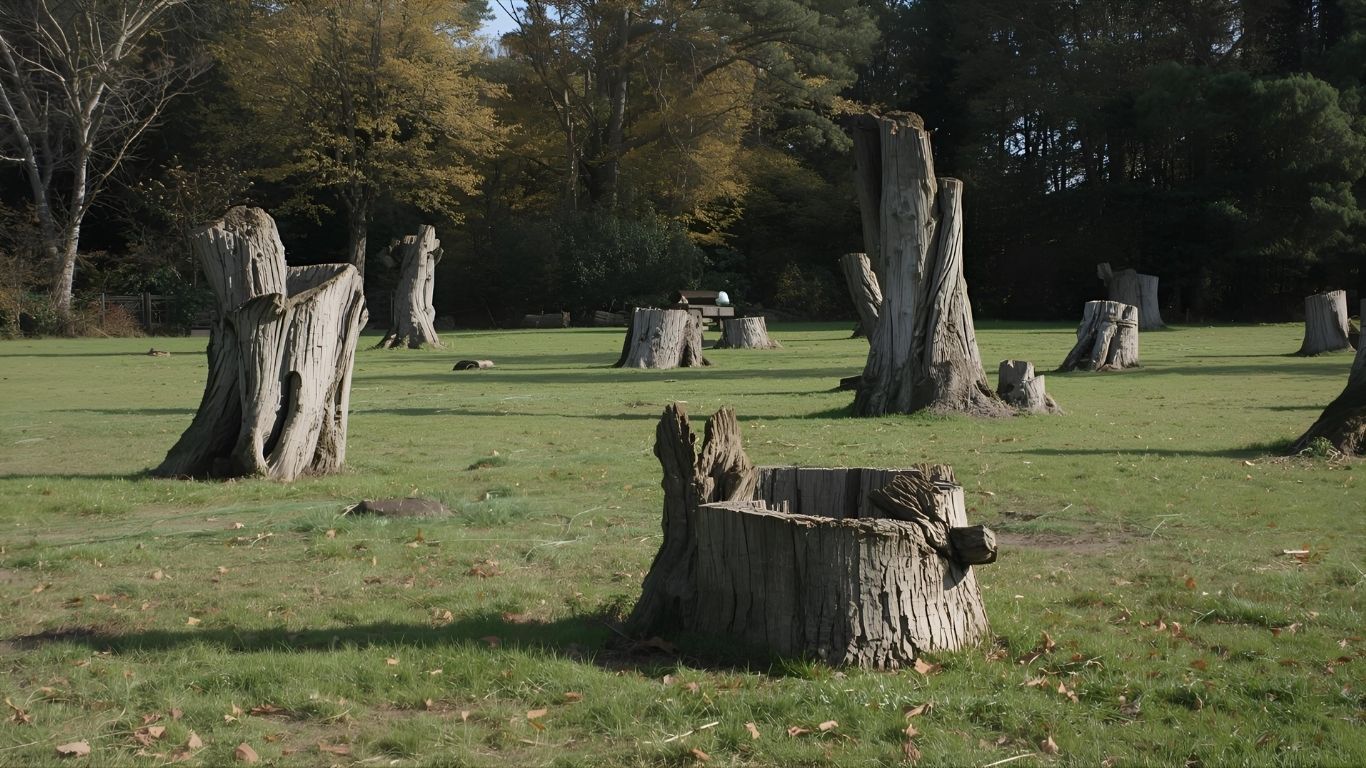
Old tree stumps may seem like a minor concern after a tree has been removed, but they continue to influence lawn health for many years. In Dade City, warm temperatures and seasonal rain accelerate stump decay, creating ideal conditions for insects, fungus, and soil problems that spread across the yard. When homeowners want dependable help maintaining healthy landscapes, they often work with professionals such as CM Tree Service for guidance.
Why Old Tree Stumps Harm Lawn Health
Old stumps affect lawn health in ways most homeowners do not expect. As they break down, they disrupt the soil, attract pests, and interfere with the natural growth cycle of turf. These issues spread gradually, often becoming noticeable only when lawn quality begins to decline.
Root Systems That Continue to Interfere With Lawn Growth
Roots connected to an old stump remain in the ground long after the tree is gone. These roots compete with grass for water and nutrients, causing thin patches and uneven turf. Many homeowners address the issue by choosing stump grinding so the remaining below ground structure no longer disrupts the surrounding soil.
Stump Decay That Encourages Fungal Activity
As stumps break down, they create moist pockets that encourage fungal growth. Fungus spreads easily through Dade City yards, especially during humid months. Once fungus reaches nearby grass or plants, it creates discoloration, weak roots, and recurring lawn problems that require ongoing maintenance.
Pests That Spread Into Lawn and Landscape Areas
Old stumps attract insects that feed on moisture and decaying wood. Termites, beetles, ants, and other pests settle inside the stump before moving into surrounding soil and structures. When stump decay spreads outward, it often affects turf quality and can even damage wooden features on the property. To understand how stumps influence long term appeal, homeowners often explore the impact of tree stumps on property value for additional insight.
How Stumps Affect Soil Health and Grass Growth
Healthy lawns depend on nutrient rich soil, proper drainage, and balanced conditions. Old stumps disrupt the natural process that supports grass growth and general lawn stability.
Nutrient Loss That Weakens Turf
When a stump begins to decay, it draws nitrogen from the soil to support the breakdown process. Nitrogen is essential for strong, healthy turf, so its loss results in pale grass, slower growth, and patchiness. Even heavy fertilization may not fully restore lawn health until the stump is removed.
Compacted Soil That Blocks Water Absorption
The root system left behind creates dense, compact soil. Compaction prevents water from absorbing evenly into the ground, causing runoff and shallow puddling during rainy seasons. Grass planted over compacted soil struggles to develop strong roots, and the turf becomes more vulnerable to stress and disease.
Heat Retention That Damages Turf Areas
Old stumps hold heat throughout the day, especially in direct sunlight. The soil around them becomes warmer than the rest of the yard, drying out the grass and weakening root systems. Over time, this creates visible rings of thin or dead turf around the stump. For homeowners who want expert tree and lawn care education, additional resources can be found in more guides and insights.
How Old Stumps Create Obstacles for Landscaping Projects
Stumps affect more than the lawn itself. They also limit what homeowners can do with their outdoor spaces. Whether planning a new garden, installing features, or expanding the yard, stumps get in the way of nearly every project.
Difficulties Planting New Trees, Shrubs, or Grass
Old roots make planting challenging because they take up space, block digging, and interfere with soil preparation. Grass seed spread over a stump area often fails to grow evenly due to nutrient imbalance and soil disruption caused by leftover roots.
Obstruction When Adding Outdoor Features
Homeowners planning patios, walkways, garden beds, or play areas often find that stumps prevent proper grading and layout. Even small stumps require removal if the homeowner wants a clean, level surface for new outdoor structures.
Reduced Curb Appeal Across the Landscape
A stump left in the middle of an otherwise well maintained yard draws attention for the wrong reasons. It interrupts the landscape and creates an unfinished appearance. Removing the stump helps restore a clean, uniform, and visually appealing lawn.
Why Professional Removal Protects Lawn Health
While some homeowners consider removing stumps themselves, professional equipment and experience ensure safer, more efficient results. Proper removal helps restore lawn health and prevents long term issues related to pests, soil compaction, and uneven growth.
Complete Below Ground Removal for Clear Soil
Professional grinding removes the stump several inches below the soil surface, creating space for fresh topsoil and new grass. This restores lawn stability and eliminates the underground structure that was preventing natural root and soil development.
Reduction of Pest Infestations and Lawn Damage
By removing the decaying wood that insects rely on, stump grinding helps reduce pest activity in the yard. Without a habitat inside the stump, colonies cannot grow or spread into surrounding areas. This protects both the lawn and nearby outdoor structures.
Improved Appearance and Lawn Renewal Potential
A cleaned and leveled area provides an immediate improvement in yard appearance. Homeowners can reseed the space, add new landscaping, or simply enjoy a safer and more uniform lawn once the stump has been removed. When they are ready to move forward with professional assistance, many choose to begin the process by requesting a free estimate to schedule their service.
Conclusion
Old stumps cause more problems than most homeowners realize. From nutrient loss and fungal activity to soil disruption and lawn decay, their effects extend well beyond the stump itself. Removing old stumps restores lawn health, improves yard appearance, and prevents pests from spreading. Professional stump grinding remains the most effective solution for Dade City homeowners who want a clean, healthy, and fully usable landscape.
FAQs
How long can an old stump affect lawn health
A stump can influence the lawn for many years as decay, pests, and soil disruption continue until it is fully removed.
Does fungus from a stump spread to grass
Yes. Fungal activity can spread from the stump into surrounding turf and plants, causing discoloration and weakened roots.
Will grass grow evenly after stump removal
Grass can grow evenly once the stump and roots are removed. Fresh soil and reseeding help the area blend with the rest of the lawn.
Do old stumps attract insects
Yes. Decaying wood attracts termites, ants, and beetles that may spread into nearby structures or plants.
Is professional stump removal better than manual removal
Professional grinding is more efficient and safer. It removes the stump below ground while protecting the surrounding lawn.