
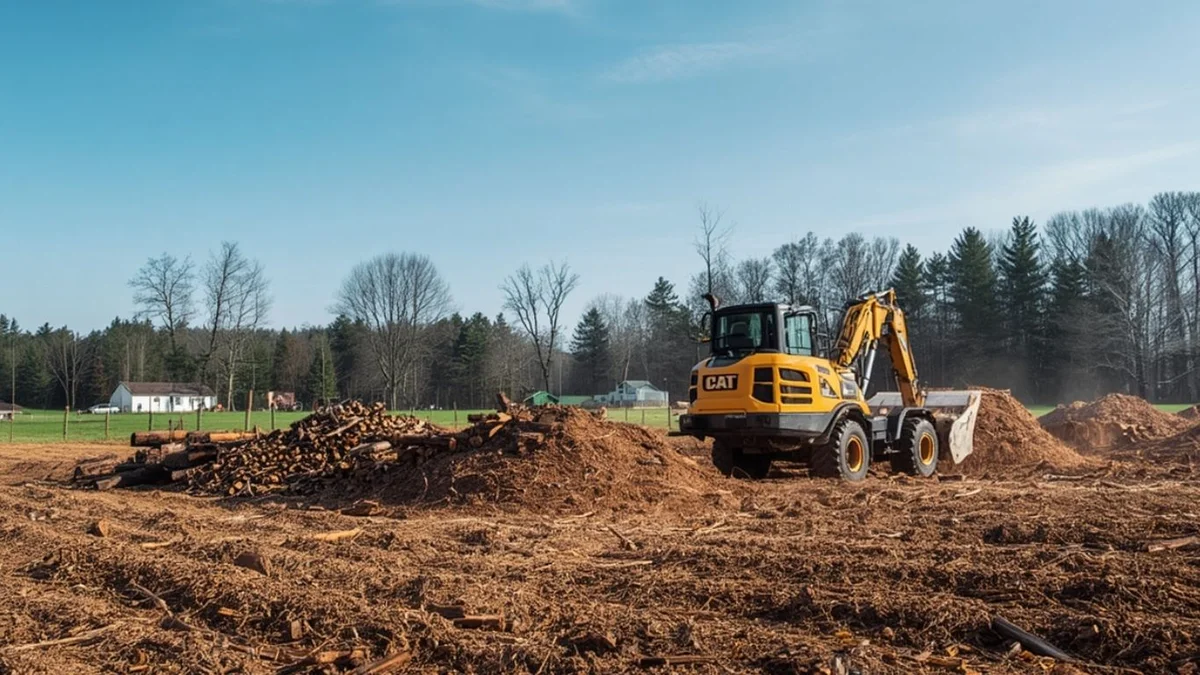
Vacant and undeveloped properties are common throughout Dade City, but leaving these lots unattended for long periods can create more than an untidy appearance. As vegetation continues to grow, debris accumulates, and natural conditions change, an unmaintained lot can quickly become a source of safety concerns and property related issues. What may begin as a few overgrown weeds or fallen branches often develops into a landscape filled with hidden hazards that affect not only the property itself but also neighboring homes and surrounding communities.
Florida’s warm climate encourages rapid vegetation growth throughout much of the year. Without regular maintenance, brush becomes dense, trees become unstable, and invasive plants spread across the property. Wildlife and insects are naturally attracted to these environments, while drainage problems and fire hazards become increasingly common. Property owners who recognize these risks often seek guidance from experienced professionals such as CM Tree Service to restore neglected lots before more significant problems develop.
Maintaining a vacant lot is not simply about improving appearance. Proper land management protects people, preserves property value, reduces liability, and creates opportunities for future use. Understanding the hazards associated with neglected land helps property owners make informed decisions before conditions become difficult or expensive to correct.
Why Unmaintained Lots Become Increasingly Dangerous
A vacant property rarely stays unchanged. Natural growth continues every season, gradually transforming open space into dense vegetation that hides potential dangers beneath the surface. As this process continues, routine maintenance becomes more difficult and the overall condition of the land declines.
Many hazards remain hidden until someone attempts to access the property. Thick vegetation conceals uneven terrain, fallen limbs, exposed roots, discarded debris, and other obstacles that create safety risks. Moisture also becomes trapped beneath dense plant growth, accelerating decay and encouraging unwanted pest activity.
Environmental conditions in Dade City further contribute to these challenges. Heavy seasonal rainfall, high humidity, and rapid plant growth combine to create landscapes that require ongoing attention. Without regular maintenance, these lots become increasingly hazardous with each passing season.
Overgrown Vegetation Creates Safety Concerns
One of the earliest signs of an unmaintained lot is excessive vegetation growth. Tall grass, invasive shrubs, vines, and dense brush quickly spread across open areas, limiting visibility and making the property difficult to navigate.
Beyond affecting appearance, uncontrolled vegetation creates numerous safety concerns for property owners and visitors alike.
Limited Visibility Across the Property
Dense vegetation blocks clear sightlines throughout the property. Hidden obstacles become difficult to identify, increasing the risk of trips, falls, and accidental injuries. Limited visibility also makes it harder to monitor activity on the property and detect developing hazards before they become serious.
Restricted Access for Maintenance
As vegetation thickens, simple maintenance tasks become much more challenging. Equipment cannot easily reach affected areas, inspections become less effective, and routine upkeep requires additional time and effort. Delaying maintenance only allows these conditions to worsen.
Increased Fire Exposure
Dry brush, dead vegetation, and accumulated organic material provide fuel that can increase fire risk during dry weather conditions. Once vegetation becomes dense, fire can spread much more rapidly across the property and threaten nearby homes or structures.
Hidden Ground Hazards Often Go Unnoticed
The greatest dangers on neglected lots are frequently found beneath the vegetation rather than above it. Ground conditions change gradually over time, creating uneven surfaces that remain hidden until someone walks through the property.
Tree roots, decaying stumps, erosion, and shifting soil all contribute to unstable footing. These hazards create liability concerns for property owners while making future land improvements more difficult.
Uneven Terrain
Natural erosion and root growth create unexpected elevation changes throughout the lot. Walking across these areas becomes increasingly hazardous, especially where vegetation hides the surface below.
Fallen Limbs and Debris
Storms often leave behind broken branches that remain buried beneath growing vegetation. These obstacles create tripping hazards and complicate future cleanup efforts.
Decaying Tree Stumps
Old stumps gradually weaken the surrounding soil while creating hidden depressions that collect water. As decomposition continues, the ground becomes increasingly unstable.
Pest Activity Increases on Neglected Properties
Dense vegetation provides ideal shelter for a wide variety of insects and wildlife. Once a property becomes overgrown, it naturally attracts pests seeking food, moisture, and protection.
This activity rarely remains confined to the vacant lot. Over time, insects and animals expand into neighboring properties, creating additional concerns for nearby homeowners.
Mosquitoes breed in standing water trapped beneath vegetation. Rodents establish nesting areas within brush piles. Snakes seek shelter beneath fallen logs and dense grass. Termites and carpenter ants thrive in decaying wood left untouched for extended periods.
Addressing excessive vegetation early significantly reduces these conditions. Many property owners restore neglected land through professional land clearing to eliminate overgrowth and improve long term property safety.
Poor Drainage Creates Ongoing Property Problems
Water management becomes increasingly difficult as lots remain unattended. Vegetation alters the natural flow of water while fallen debris blocks drainage paths across the property.
Standing water contributes to soil erosion, weakens the ground, and accelerates vegetation growth. Saturated areas also encourage mosquito activity while making portions of the property unusable for future projects.
Poor drainage can eventually affect neighboring lots by redirecting runoff onto adjacent properties. This creates additional maintenance concerns and may contribute to disputes between neighboring landowners.
Proper land management restores natural drainage patterns and improves overall soil stability.
Dead and Damaged Trees Increase Liability
Neglected properties often contain aging or damaged trees that continue deteriorating without inspection. Dead limbs become unstable, trunks weaken internally, and root systems lose their ability to support the tree safely.
Unlike healthy trees that receive routine maintenance, neglected trees frequently decline unnoticed until severe weather exposes structural weaknesses.
Large branches may fall unexpectedly onto nearby roads, neighboring properties, or utility lines. Entire trees may become unstable following heavy rainfall or strong winds.
Because vacant lots receive less frequent attention, these hazards often remain undetected until significant damage occurs.
Why Early Maintenance Protects Property Value
Maintaining vacant land protects much more than its appearance. Well managed properties retain greater value because they remain usable, accessible, and attractive to future buyers or developers.
Neglected lots often create the opposite impression. Overgrowth suggests deferred maintenance, increasing concerns about hidden problems beneath the vegetation. As hazards accumulate, restoring the property becomes more expensive and time consuming.
Routine maintenance preserves flexibility for future development while helping owners avoid unnecessary restoration costs.
Why Professional Land Clearing Is the Best Solution
Once a lot becomes heavily overgrown, restoring it safely requires more than basic mowing or trimming. Thick vegetation, hidden obstacles, unstable trees, and accumulated debris often demand specialized equipment and a well planned approach. Professional land clearing removes these hazards efficiently while protecting the surrounding landscape and preparing the property for future use.
A properly cleared lot improves visibility, restores accessibility, and allows property owners to inspect the land more accurately. Rather than temporarily cutting back vegetation, professional clearing addresses the underlying conditions that allow hazards to continue developing. This creates a safer environment while reducing the amount of maintenance needed in the future.
Safe Removal of Heavy Vegetation
Dense brush and invasive plants can quickly take over an unused property. Professional crews remove these materials without causing unnecessary disturbance to nearby trees or surrounding areas. This controlled approach reduces safety risks while preserving the parts of the landscape that remain healthy.
Elimination of Hidden Hazards
Once vegetation is removed, hazards that were previously concealed become visible. Exposed debris, damaged trees, decaying stumps, uneven ground, and drainage concerns can then be addressed before they create additional problems.
Preparing Property for Future Improvements
Whether the goal is landscaping, construction, fencing, or recreational use, clearing the property creates a clean foundation for future projects. Open, accessible land provides greater flexibility for property owners planning improvements over the coming years.
Environmental Challenges That Affect Dade City Properties
Maintaining vacant land in Dade City presents unique challenges because of the area’s climate and growing conditions. Warm temperatures, regular rainfall, and extended growing seasons encourage vegetation to spread rapidly across unattended lots.
Native and invasive plants compete for space, often creating dense growth that becomes difficult to manage without professional equipment. At the same time, frequent storms contribute to fallen limbs and organic debris that accumulate throughout the property.
These environmental conditions also increase the likelihood of pest activity, drainage concerns, and tree related hazards. Properties that remain unattended for extended periods often require significantly more work than those maintained regularly.
Because local conditions vary from one property to another, experienced professionals develop maintenance strategies based on the size, terrain, vegetation, and intended future use of each lot.
Why Local Experience Makes a Difference
Managing overgrown land requires more than equipment. Local knowledge plays an important role in identifying hazards, understanding vegetation growth, and selecting the safest approach for clearing the property.
Professionals familiar with Dade City understand how seasonal weather, soil conditions, and native tree species influence land management decisions. This allows them to recommend practical solutions that address current hazards while helping reduce future maintenance needs.
Many property owners researching local contractors take time to explore why homeowners work with CM Tree Service before selecting a company to restore and maintain their property.
Knowledge of Local Vegetation
Different plants require different clearing methods. Understanding how vegetation grows throughout the region allows professionals to remove unwanted growth more efficiently while protecting desirable trees and landscaping.
Familiarity With Local Property Conditions
Every property presents unique challenges. Experience with local terrain, drainage patterns, and seasonal growth allows professionals to adapt their approach to each project while maintaining safe working conditions.
The Long Term Benefits of Maintaining Vacant Lots
Routine maintenance provides benefits that extend well beyond appearance. A well managed property remains safer, easier to access, and more valuable over time.
Removing excessive vegetation improves visibility across the property, making inspections easier and reducing opportunities for unwanted activity. Healthy drainage supports stronger soil conditions, while eliminating debris reduces the likelihood of pest infestations and fire hazards.
Maintained properties are also easier to market for future sale or development. Prospective buyers often view clean, accessible land more favorably than heavily overgrown lots that require significant restoration before use.
Regular maintenance also reduces long term expenses by preventing small issues from developing into larger projects requiring extensive cleanup.
Staying Informed About Property Maintenance
Land management involves more than occasional clearing. Understanding how vegetation, drainage, trees, and seasonal growth interact helps property owners make better decisions throughout the year.
Learning about preventative maintenance allows owners to identify potential problems before they become safety hazards. Educational resources also provide guidance on maintaining healthier landscapes while protecting long term property value.
Property owners looking for additional information can explore more guides and insights covering topics related to tree care, land maintenance, and property safety.
When It Is Time to Clear an Overgrown Lot
Many property owners wait until vegetation becomes overwhelming before taking action. Unfortunately, delayed maintenance often increases restoration costs because hazards continue developing beneath the surface.
Visible signs such as dense brush, fallen trees, standing water, limited visibility, pest activity, and restricted access all indicate that professional attention may be needed. Addressing these issues early helps restore the property while preventing additional deterioration.
When the time comes to improve a neglected lot, many owners begin by requesting a free estimate to better understand the condition of the property and discuss the most effective clearing plan.
Conclusion
Unmaintained lots present a wide range of hazards that extend far beyond appearance. Dense vegetation, hidden debris, unstable trees, drainage problems, pest activity, and uneven terrain all create risks that can affect property owners, neighboring homes, and future development opportunities.
Regular maintenance helps prevent these problems while preserving property value and improving overall safety. Professional land clearing removes overgrowth, restores accessibility, and creates a cleaner, healthier environment that is easier to maintain throughout the year.
Taking action before conditions worsen protects both the property and the investment it represents. Whether the goal is improving safety, preparing for construction, or simply restoring a neglected lot, proactive maintenance provides lasting benefits for Dade City property owners.
FAQs
What are the biggest hazards on an unmaintained lot?
Common hazards include dense vegetation, unstable trees, hidden debris, uneven ground, pest infestations, poor drainage, and increased fire risk.
Can overgrown lots affect neighboring properties?
Yes. Pests, invasive vegetation, drainage issues, and falling branches can extend beyond property lines and create problems for nearby homes.
How often should vacant land be maintained?
The ideal schedule depends on vegetation growth and seasonal conditions. Regular inspections help determine when maintenance is needed.
Does land clearing remove all trees on a property?
No. Professional land clearing can be customized to preserve healthy trees while removing unwanted vegetation, brush, and hazardous growth.
Why is professional land clearing better than clearing the lot myself?
Professional crews use specialized equipment, follow safe work practices, and identify hidden hazards that may not be visible during a basic cleanup. This results in a safer, more effective, and longer lasting solution.