
Water management plays a major role in maintaining a healthy and functional yard. When drainage works properly, rainwater moves through the soil evenly without creating standing water or erosion. However, many residential properties experience ongoing drainage problems without understanding the root cause. One of the most overlooked issues is the presence of old tree stumps left behind after tree removal.
A stump does not simply sit on the surface without impact. It continues to interact with the soil beneath it for years, affecting how water flows and how the ground settles. In areas like Dade City where rainfall patterns can be intense, these disruptions become more noticeable over time. Property owners dealing with persistent yard issues often turn to professionals such as CM Tree Service to identify and resolve the underlying causes of poor drainage.
How Tree Stumps Disrupt Natural Water Flow
Tree stumps interfere with the natural movement of water in ways that are not immediately visible. Beneath the surface, the remaining root system creates a network that blocks water from spreading evenly through the soil. Instead of soaking in uniformly, moisture is redirected around these obstacles, often leading to uneven saturation across the yard.
Above ground, the stump itself becomes a physical barrier that interrupts runoff. Water collects around its base and forms small pools that can linger long after rainfall ends. Over time, these small issues develop into consistent drainage problems that affect larger sections of the property.
The situation becomes more complicated as the stump begins to decay. The breakdown of organic material changes the soil structure, creating areas that absorb water differently than the surrounding ground. This imbalance prevents consistent drainage and contributes to ongoing moisture issues.
How Stump Decay Creates Drainage Imbalance
As a stump ages, it enters a slow decomposition process that alters the soil in significant ways. The wood gradually breaks down and mixes with the surrounding dirt, forming pockets of soft organic material. These areas behave differently from stable soil, holding moisture longer and draining more slowly.
This uneven moisture retention creates a cycle where some parts of the yard remain saturated while others dry out quickly. The inconsistency makes it difficult to maintain a healthy lawn and often leads to visible signs such as soggy patches or areas where grass struggles to grow.
Another issue that develops during decay is ground settling. As the stump deteriorates, the soil above it begins to sink. These low spots collect water naturally, worsening drainage problems over time and creating a surface that is both uneven and difficult to maintain.
Long Term Effects of Poor Drainage Caused by Stumps
Drainage problems rarely stay isolated to one area. When water cannot move properly through the soil, it begins to affect the entire landscape. What starts as a small wet patch can expand into larger sections of the yard, creating ongoing maintenance challenges.
Excess moisture weakens grass roots and limits their ability to absorb nutrients. This results in thin or patchy turf that struggles to recover even with proper care. In addition, standing water creates conditions that attract insects and contribute to the spread of fungus.
Over time, poor drainage can also lead to erosion. Water that cannot penetrate the soil may flow across the surface, carrying away topsoil and leaving behind uneven ground. These changes affect both the appearance and functionality of the yard.
The Role of Yard Grading in Drainage Problems
Proper grading allows water to flow away from structures and prevents pooling. However, tree stumps interfere with this process by creating uneven ground conditions that make grading difficult.
When a stump is present, it becomes challenging to level the surrounding soil. The roots below ground prevent smooth adjustments, and the surface remains irregular. Even if grading is attempted, the ongoing decay of the stump can cause the ground to shift again, undoing previous work.
This instability makes it difficult to maintain consistent drainage over time. Water may begin to follow unintended paths, leading to new problem areas that require additional attention.
Why Removing Tree Stumps Improves Drainage
Addressing drainage issues effectively requires removing the source of the problem. Eliminating the stump allows the soil to return to a more natural and stable condition, where water can move freely without obstruction.
Once the stump and its roots are removed, the ground can be properly leveled and prepared for improved water flow. Moisture distributes more evenly, reducing the risk of pooling and erosion. This creates a healthier environment for grass and plants to grow.
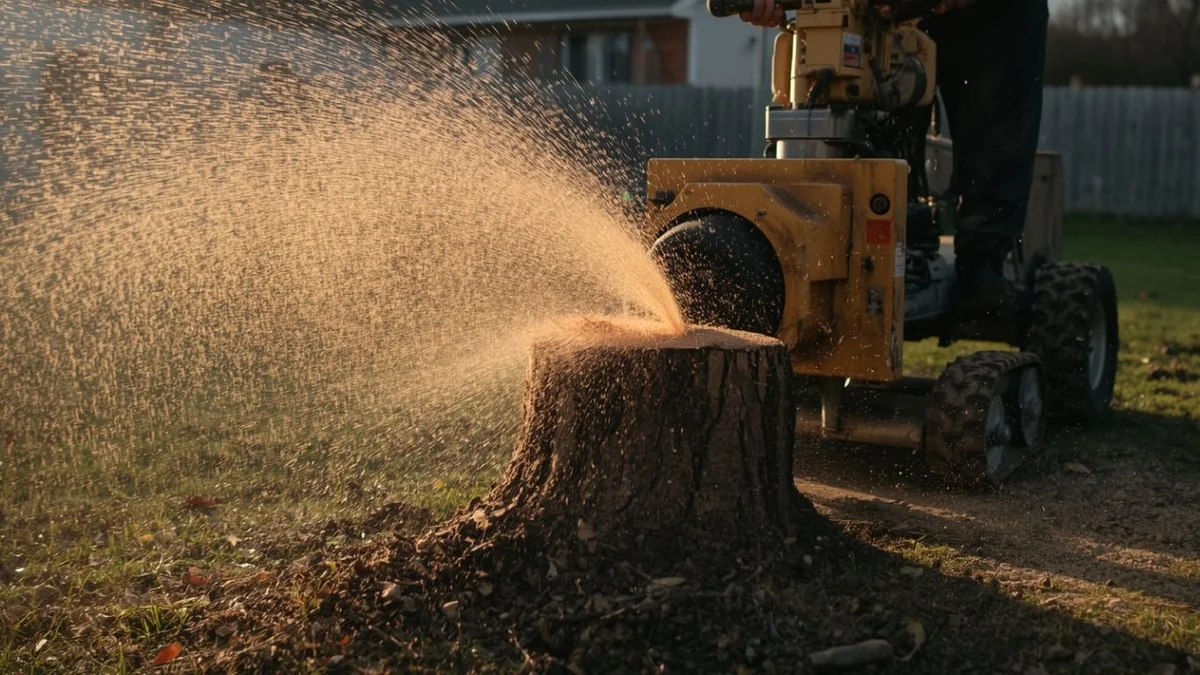
Many property owners resolve these issues by choosing professional stump grinding, which removes the stump below the surface and restores the soil structure needed for proper drainage.
Why Professional Removal Makes a Difference
Removing a stump completely requires more than surface level work. Without proper equipment, it is difficult to eliminate the deeper portions that continue to affect drainage. Professional services ensure that the entire structure is addressed, including the roots that interfere with soil performance.
A thorough removal process helps stabilize the ground and prevents future settling. It also protects surrounding areas from additional damage that can occur during improper removal attempts.
Reliable service providers understand how to remove stumps without disrupting the balance of the yard. Many property owners consider why homeowners work with CM Tree Service when selecting a team with experience in handling these challenges.
Understanding Local Drainage Challenges in Dade City
Drainage problems are influenced by local conditions such as soil type, weather patterns, and property layout. In Dade City, these factors can intensify the impact of tree stumps on yard performance.
Rainfall in the area can be heavy and sudden, placing additional pressure on the soil to absorb water quickly. When drainage is already compromised by a stump, this leads to noticeable pooling and saturation.
Soil composition also plays a role. Certain types of soil retain water longer, making it harder for moisture to move through areas affected by decaying wood. These conditions highlight the importance of maintaining clear and stable ground.
When to Address Drainage Issues
Waiting too long to resolve drainage problems allows them to spread and become more difficult to manage. Taking action early helps maintain the condition of the yard and prevents additional damage.
Signs such as standing water, uneven ground, and persistent wet areas indicate that the problem should be addressed. Removing the stump and restoring the soil can significantly improve drainage and overall yard health.
When the time comes to take the next step, many property owners choose to book appointments to evaluate their property and begin the process of improving drainage.
Conclusion
Tree stumps have a lasting impact on how water moves through residential yards. Their roots, decay process, and effect on soil structure create conditions that prevent proper drainage and lead to ongoing problems.
By removing stumps and restoring the natural balance of the soil, property owners can improve water flow, protect their landscape, and maintain a healthier outdoor space. Addressing the issue at its source ensures long term results and reduces the need for repeated repairs.
Learning More About Drainage and Yard Health
Maintaining proper drainage involves understanding how different elements of the landscape interact. Tree stumps are just one factor, but they can have a significant impact if left unaddressed.
Property owners who want to improve their yard conditions often benefit from exploring more guides and insights that provide practical information on managing soil health and drainage.
Regular observation and maintenance help prevent small issues from becoming larger problems. Identifying early signs of poor drainage allows for quicker and more effective solutions.
FAQs
Do tree stumps always cause drainage problems
Not always, but they commonly disrupt soil structure and water flow, especially in areas with heavy rainfall.
How can I tell if a stump is affecting drainage
Look for pooling water, soggy soil, or uneven ground near the stump.
Will removing the stump fix the issue completely
In most cases, removing the stump significantly improves drainage, especially when combined with proper grading.
How long does it take for a stump to stop affecting soil
It can take several years for a stump to fully decay, during which it may continue to cause problems.
Is professional removal necessary for drainage improvement
Professional removal ensures the stump and roots are fully addressed, preventing recurring issues.